)
Very Matcha began as a breakfast-table idea and has grown into a brand focused on premium matcha. It honors centuries of Japanese tea traditions. At the same time, it raises standards for purity, sustainability, and quality.
Founders Anna Chechetka and Jochen Meyer saw that much of the matcha in Europe was fake, unclear, or low-quality. To change this, they launched Very Matcha in 2019. Their mission is simple: they source top-quality matcha from Japanese farmers and do so with integrity.
Very Matcha
The perfect match(a). Honoring tradition, protecting purity
)
Authentic quality is something you only find when you meet the farmers, see how they grow and harvest, and understand the craftsmanship behind the product. Only then do you understand the soul of the product.
Jochen Meyer
Co-Founder, Very Matcha
)
)
)
The challenge
Protecting matcha’s delicate compounds
Exceptional quality begins at the source
Very Matcha partners directly with specialized tea farmers in Kagoshima, Japan. This region is famous for its volcanic soil and clean environment, making it a leader in organic tea growing.
Each batch of matcha is chosen for taste, purity, and authenticity. This process respects the values of the traditional Japanese tea ceremony:
Harmony (Wa)
Respect (Kei)
Purity (Sei)
Tranquility (Jaku)
Each step, from shading tea plants to hand-harvesting young leaves, highlights the skill in premium matcha.
Sensitive ingredients
Matcha contains sensitive compounds like catechins (EGCG), chlorophyll, and L-theanine. These give matcha its bright color, unique umami taste, and health benefits. However, they are easily damaged by light, oxygen, and heat.
If not stored correctly, chlorophyll fades quickly, making the powder lose its vibrant green hue. Oxidation can also weaken both flavor and potency.
To keep these delicate compounds safe, packaging must protect the product long after it leaves the farm. Jochen’s pharmacy background helped him recognize the protective benefits of Miron glass. This glass is often used in pharmaceutical products.
)
Results in practice
Preserving matcha
Packaging with purpose
Many matcha brands use metal tins, but Very Matcha wanted a better option. Traditional tins are heavy; a 30-gram matcha container can weigh over 40 grams.
To lessen environmental impact, the brand introduced lightweight aroma bags for transport. This change cut down on packaging weight and fuel use. For home storage, they needed a strong container to protect the powder’s delicate compounds.
Miron glass was the answer.
“After opening the refill packs, matcha must be stored carefully. Protecting catechins, L-theanine, and chlorophyll is essential for quality and potency. Miron glass filters harmful wavelengths, keeping matcha’s color, nutrients, and flavor intact.” - Very Matcha founders
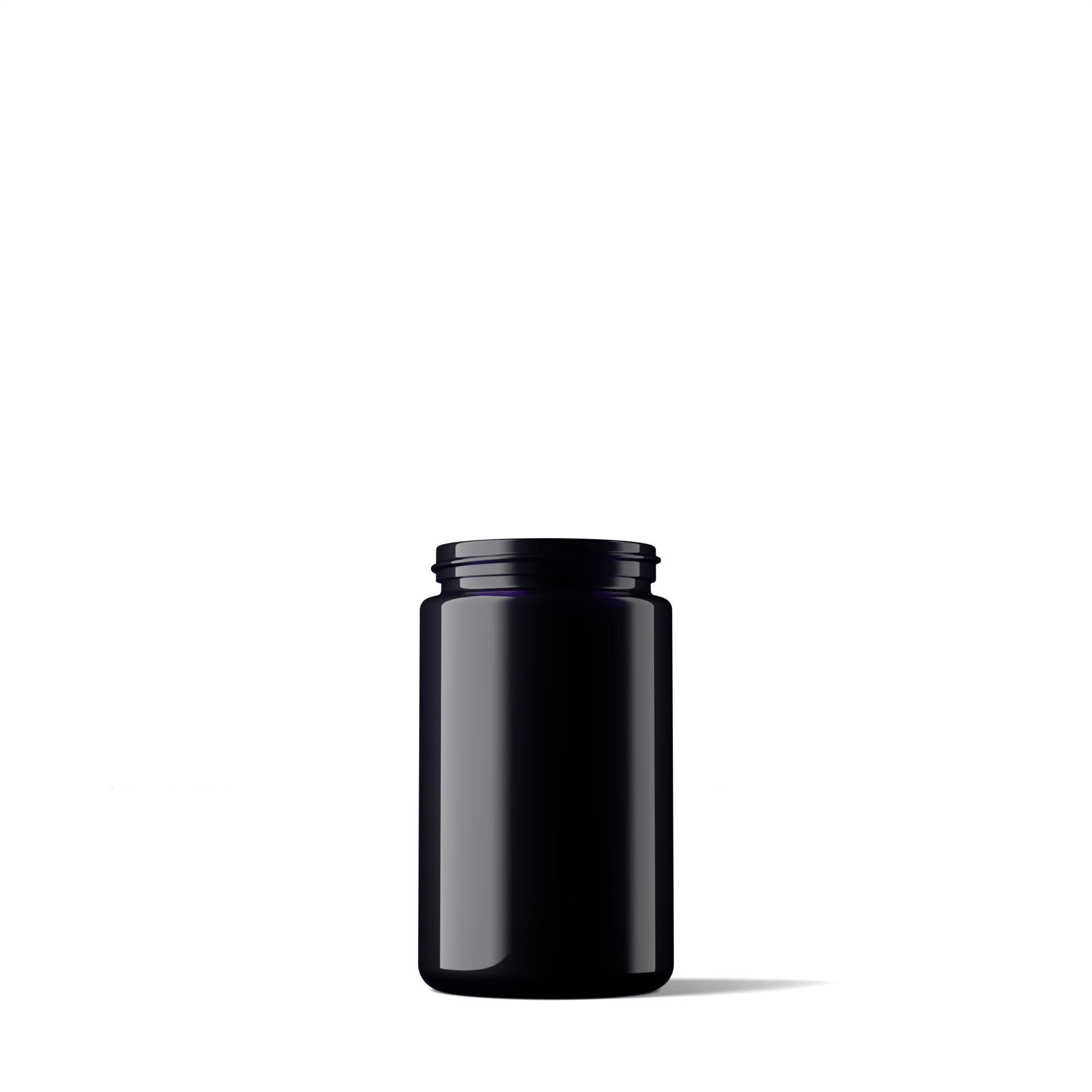
Miron glass blocks damaging visible light while letting beneficial wavelengths through. This helps keep matcha fresh, vibrant, and aromatic over time.
Very Matcha chose the Saturn 200 ml Miron jar to ensure their matcha stays protected from the first scoop to the last.
What Miron made possible
)
Product freshness
Vibrant green color
Miron glass protects chlorophyll from light degradation, helping matcha maintain its characteristic color.
)
Flavor integrity
Preserved umami taste
Shielding delicate compounds helps maintain matcha’s smooth flavor profile.
)
Nutrient protection
Antioxidants preserved
Catechins and L-theanine remain more stable when protected from harmful light exposure.
)
Sustainable packaging
lower transport footprint
Refill bags combined with reusable Miron jars reduce unnecessary packaging weight.
)
Premium presentation
Distinctive brand identity
The deep violet glass complements Very Matcha’s artistic packaging design.
)
Reusable packaging
Extended product lifecycle
Customers often reuse the jars at home, adding long-term value.
Especially after opening the refill packs, matcha must be stored carefully. Protecting catechins, L-theanine, and chlorophyll is essential to maintain quality and potency.
Jochen Meyer
Co-Founder, Very Matcha
Matcha types and the art of presentation
Very Matcha offers ceremonial and barista-grade matcha, each for different moments.
Ceremonial Matcha: This is the highest quality matcha for the Japanese tea ceremony. It comes from the youngest leaves of the tea plant, harvested first. Careful processing keeps its delicate flavor, bright green color, and smooth texture. The tea plants are shaded before harvest, which boosts L-theanine and catechins. This enhances matcha’s unique taste and health benefits.
Barista-Grade Matcha: This matcha is designed for mixing with milk. Unlike ceremonial matcha, barista matcha has a stronger, bolder flavor. It works well in lattes and other drinks. This type uses leaves from the second harvest, giving it a more pronounced taste
The differences between these matcha types are clear in Very Matcha’s packaging. Anna, an artist and designer, created illustrations to help customers recognize each type.
Barista Matcha features latte art, baristas, and café scenes. These highlight its use in matcha lattes and baking. Ceremonial Matcha shows traditional figures and tea ceremony elements. This celebrates the heritage and rituals of authentic matcha.
The designs are screen-printed onto Miron jars, combining traditional craftsmanship with modern brand storytelling.
)
A bright green future
The global matcha market continues to grow as more consumers discover its flavor and health benefits. While matcha is increasingly present in cafés and restaurants, quality standards often remain inconsistent.
Very Matcha aims to change that.
Expansion
In 2024 alone, the brand has grown by more than 500%. Very Matcha aims to expand partnerships with cafés and introducing more people to authentic Japanese matcha.
Their mission remains clear: honoring tradition, protecting purity, and making premium matcha more accessible.
Packaging used
Products shown in this case

)
Contact
Need help? We’re here to advise.
Our experts are happy to help you choose the right products, configurations or tests for your brand.
)