)
Brothers Dimitri and Panajotis Mintzas grew up between the Netherlands and the Peloponnese. Their family had a long tradition of producing olive oil and honey. From an early age, they helped with the harvest and learned the value of careful production.
This hands-on experience shaped their commitment to preserving the character of these products. It also inspired them to share them with a wider audience.
Mitzas
Nature's finest ingredients
)
We noticed that standard transparent glass allowed light to affect our products. That led us to Miron violet glass, which we have trusted since 2022.
Dimitri Mintzas
Founder, Mintzas
)
)
)
The challenge
Protecting purity from source to shelf
From grove to bottle
Mintzas sources olives from their own trees and trusted local growers near Kalamata, one of Greece’s most important olive regions. The Koroneiki olive, known for its naturally high polyphenol content, requires careful handling to maintain its quality.
To protect this quality, timing is critical. Olives are pressed within six hours of harvest to keep acidity low and preserve their natural characteristics.
For reference, “if the acidity level is lower than 0.8%, you can call olive oil extra virgin. The lower the acidity, the higher the quality of the olive oil. In our case, our organic olive oil has an acidity level of 0.3% or lower.”
Preserving what matters
However, maintaining that quality beyond production presented a challenge. Exposure to light can affect taste, aroma, and stability over time. Mintzas needed a packaging solution that could protect these sensitive properties without compromising the product’s natural integrity.
Especially, considering that “the Koroneiki olive is also called the King of the olives because it contains the most polyphenols compared to all other olive varieties, making it one of the best in the world. That, and the taste of the little green olive is legendary.”
A distinctive approach
Making quality visible and lasting
Preserving rare and seasonal products
Beyond olive oil, Mintzas offers a range of rare products. One example is vanilla spruce honey from the Peloponnese. This honey can only be produced when weather conditions are exactly right. Temperature, humidity, and the natural cycle of the forest all play a role.
Bees produce vanilla spruce honey during a short period of about 20 days. This usually takes place between the end of May and the beginning of June. If conditions are not favorable, no vanilla spruce honey is produced that year. In some cases, this can happen for one, two, or even three years in a row.
Because of its rarity and limited availability, preservation becomes especially important.
"After reading reviews and trying the packaging ourselves, we became convinced. The quality of our products, including taste and aroma, remains consistent over time. This allows us to stand behind the quality of our products after purchase and give our customers confidence in what they buy."
For Mintzas, packaging is about more than protection. It is also part of how the brand presents itself.
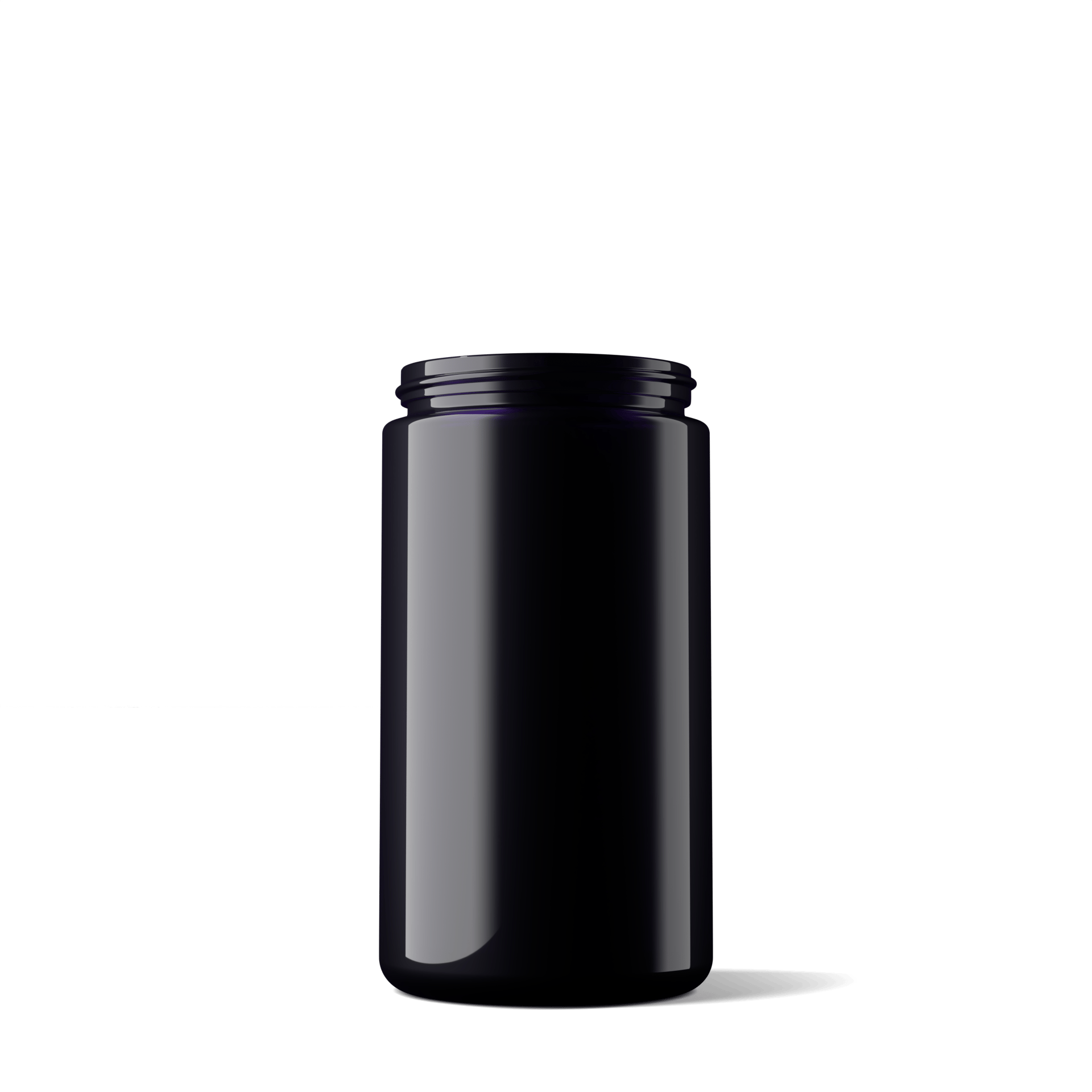
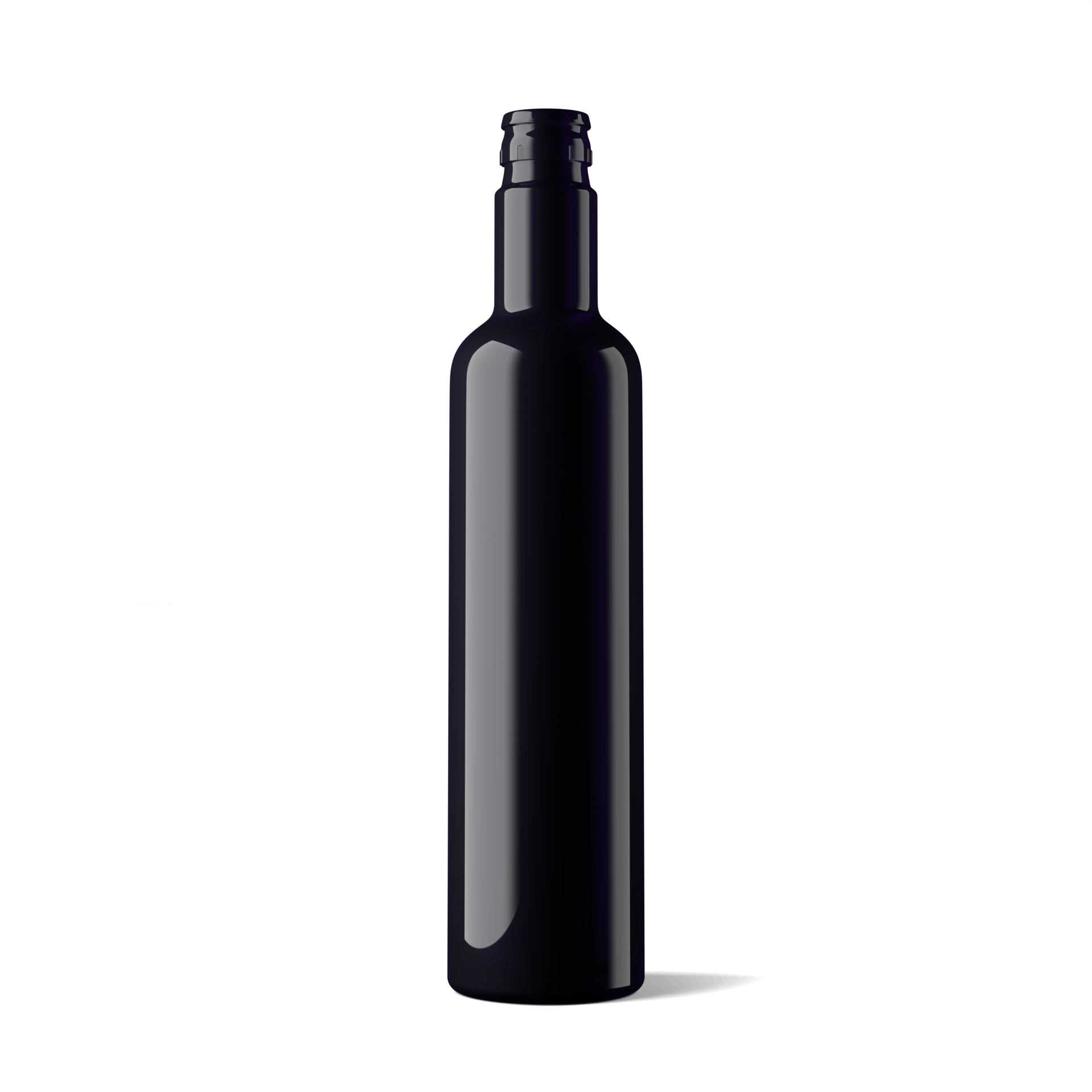
The company combines Miron glass with screen printing directly on bottles and jars. This removes the need for labels. It also creates a distinctive look that reflects the character of the brand.
Together, these choices support Mintzas' approach. They help preserve products shaped by nature. They also help the company stay true to its roots while sharing those products with a wider audience.
What Miron made possible
)
Product preservation
Protecting natural quality
Olive oil and honey are shielded from light and exposure, helping maintain their taste, aroma, and integrity over time.
)
Consistency
Stable quality throughout
Sensitive products retain their key characteristics longer, supporting a consistent experience for customers.
)
Differentiation
Distinctive presentation
Screen-printed packaging create a recognizable, label-free design that reflects craftsmanship and origin.
)
Premium positioning
Reflecting product value
The look and feel of Miron glass reinforce the quality of Mintza products.
With Miron, we can better preserve the quality of our products and present them in a way that reflects their origin.
Dimitri Mintzas
Founder, Mintzas
)

)
Contact
Need help? We’re here to advise.
Our experts are happy to help you choose the right products, configurations or tests for your brand.
)